The Science of 'Lies': Why Your Infrared Thermometer Is Inaccurate

HealthSmart 18-555-000 Digital Thermometer
We live in an age of technological magic. We expect our devices to be instant, intuitive, and infallible. The non-contact forehead thermometer feels like the embodiment of this promise—a simple point, a quick beep, and a definitive answer. But then comes the moment the magic shatters: you take a reading from a perfectly healthy person and get a chillingly low 94.3°F, a result one user of a HealthSmart thermometer reported with frustration. Suddenly, the sleek device feels less like advanced medical tech and more like a prop from a science fiction movie.
What's happening here? Is the device broken? Probably not. The truth is more complex and far more interesting. You're not witnessing a malfunction; you're witnessing the laws of physics at work. The device in your hand is not a simple "thermometer" in the traditional sense. It's a sophisticated thermal radiation detector, and to use it wisely, you have to understand the invisible forces it's grappling with.
This article will pull back the curtain. We're going to metaphorically dismantle this device, not with a screwdriver, but with science. We’ll expose the unseen forces—from skin emissivity to algorithmic guesswork—that dictate that final number on the screen. By understanding why your thermometer can "lie," you'll finally learn how to make it tell the truth.

Myth #1: It Measures Your "Internal" Temperature
To begin our investigation, we must first dismantle the most common misconception. You think it's measuring temperature, but in reality, it's watching a light show invisible to your eyes.
The Reality: It Measures Surface Radiation
Here’s the basic physics: every object warmer than absolute zero—from a star to your child's forehead—emits energy in the form of infrared radiation. Think of it as invisible light. The hotter the object, the more intense this radiation. Your thermometer’s sensor, called a thermopile, is essentially a high-tech "photon counter." It measures the intensity of the infrared radiation hitting it and, from that, calculates the temperature of the surface it's pointed at.
The "Emissivity" Problem
Now, a complication arises. Not all surfaces radiate heat with the same efficiency, even at the same temperature. This property is called emissivity. An object that is a perfect radiator is called a "blackbody" (emissivity of 1.0). A shiny, reflective object is a poor radiator (emissivity close to 0). Think of a black asphalt road versus a white painted line on a sunny day; the blacktop absorbs and radiates far more heat. Human skin is a pretty good radiator, with an emissivity of about 0.98. Infrared thermometers are calibrated with this value in mind. But here’s the catch: that value isn't constant.
Why This Matters for Your 3 a.m. Reading
When your child is sweating, the thin layer of moisture on their skin changes the emissivity. It also cools the surface through evaporation. Cosmetics, heavy creams, and even dirt can alter the emissivity. The thermometer, assuming it's looking at "average" clean, dry skin, gets fooled. It sees a lower-than-expected radiation signal and reports a lower temperature. This is why a reading taken on a sweaty or recently washed forehead is often inaccurately low.

Myth #2: The Number on the Screen is the "True" Temperature
So, the device measures the surface. But a forehead's surface temperature is always lower than your core body temperature. How does it bridge that gap? Through a highly educated guess.
The Reality: It's a Calculation, Not a Direct Measurement
The number you see is the product of a two-step process:
1. Measure: The sensor measures the raw infrared radiation from the skin.
2. Calculate: A microprocessor inside the thermometer applies an algorithm. This algorithm takes the measured surface temperature and adds a calculated offset to estimate what the core body temperature would be.
This algorithm is the manufacturer's secret sauce, developed by comparing thousands of infrared readings with simultaneous "gold standard" measurements (like rectal or oral). It’s a statistical model, and like any model, it's based on averages.
The Gold Standard: ASTM E1965-98
To ensure these "guesses" are good enough for clinical use, manufacturers can adhere to standards like ASTM E1965-98. This standard defines acceptable accuracy limits. For example, it might require that 95% of readings in a controlled lab setting fall within ±0.5°F (±0.3°C) of the actual temperature. This means that even a fully certified, perfectly functioning device is legally permitted to have a small, built-in margin of error.
Why This Matters for Your 3 a.m. Reading
The algorithm assumes you are an "average" person. But your personal physiology—your skin thickness, your circulation—might differ slightly from the average. This is why one person might find a specific thermometer brand to be spot-on, while another finds it consistently high or low. Furthermore, that allowable ±0.5°F error means you should treat a reading of 100.4°F and 99.9°F as functionally very similar. The absolute number isn't gospel; it's an indicator within a range of possibilities.
Myth #3: Where You Point Doesn't Matter Much
If the device is so smart, surely aiming in the general direction of the head is good enough, right? Wrong. This is where the user has the most control, and it's a game of millimeters.
The Reality: It's a Game of Millimeters and Angles
Your thermometer's sensor doesn't see a single laser point. It sees a cone of vision (sometimes called distance-to-spot ratio). The further away you hold the thermometer, the wider that cone becomes. If you measure from 6 inches away instead of the recommended 1-2 inches, the cone might be so wide that it's measuring not just the forehead, but also the cooler air, hair, and eyebrow next to it. The device averages all that radiation, and the result is an artificially low temperature.
The Artery Hunt
The goal is to measure the area of the forehead that best reflects the body's core temperature. This is typically over the temporal artery, which runs across the forehead and down the temple. It's a major blood vessel close to the surface. This is why many thermometers instruct you to aim at the center of the forehead or even scan from the center to the temple—the device is hunting for the highest, most stable reading from that artery.
Why This Matters for Your 3 a.m. Reading
This explains why sloppy technique is punished so severely by these devices. A slight change in distance or aiming at the edge of the forehead instead of the center can genuinely produce a different reading. It’s not that the thermometer is inconsistent; it's that you are unknowingly feeding it inconsistent data.

Conclusion: From Passive User to Informed Analyst
Your infrared thermometer is not lying to you. It is honestly reporting what its sensor sees, filtered through a statistical algorithm. The "lies" emerge when our expectations of what it should do clash with the physical reality of what it can do.
It is not a magic diagnostic wand. It is, however, an exceptional tool for screening and trend monitoring. Even if its absolute accuracy has limitations, its ability to quickly and consistently track if a temperature is rising or falling is invaluable. A reading that climbs from 99.5°F to 101.0°F over a few hours is a critical piece of information, regardless of whether the "true" temperatures were 100.0°F and 101.5°F.
So, don't throw your thermometer away. Instead, learn to use it like a scientist: * Control the variables: Ensure a stable environment and a clean, dry measurement site. * Understand the tool's limitations: Accept the inherent margin of error and the nature of its algorithmic guess. * Verify critical data: Use its readings as a trigger to pull out a more accurate contact thermometer when a fever is suspected.
By trading the illusion of magic for an appreciation of its science, you transform from a passive user into an informed analyst, capable of wielding this powerful tool with the wisdom it requires.
Disclaimer: This article provides information for educational purposes only and is not a substitute for professional medical advice, diagnosis, or treatment. Always seek the advice of your physician or other qualified health provider with any questions you may have regarding a medical condition.
HealthSmart 18-555-000 Digital Thermometer
Related Essays
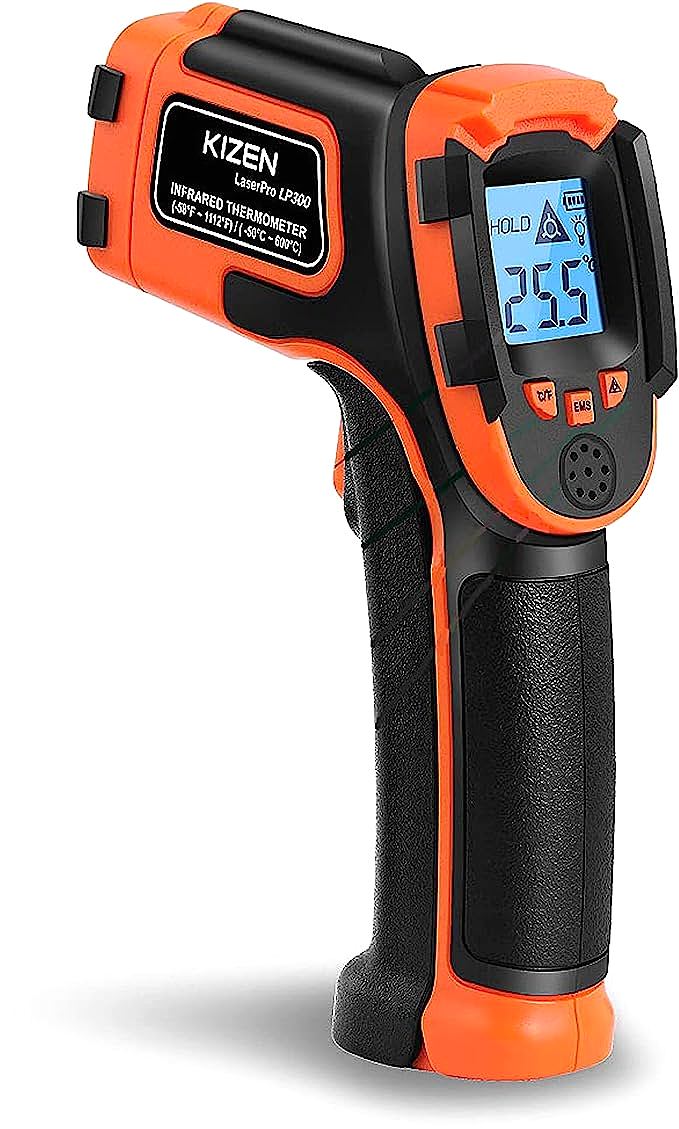
Beyond the Red Dot: Understanding Emissivity for Accurate IR Thermometer Readings

REED Non-Contact Medical Screening Forehead Thermometer

Braun BNT400BUS No Touch 3-in-1 Thermometer
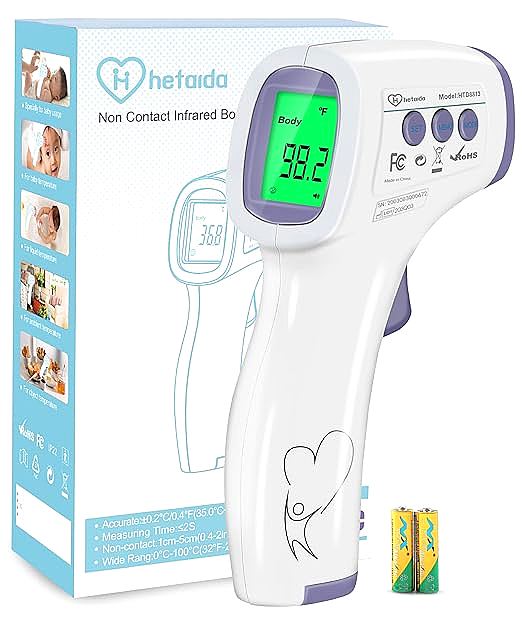
Capturing the Invisible: The Physics Behind Infrared Thermometry Accuracy
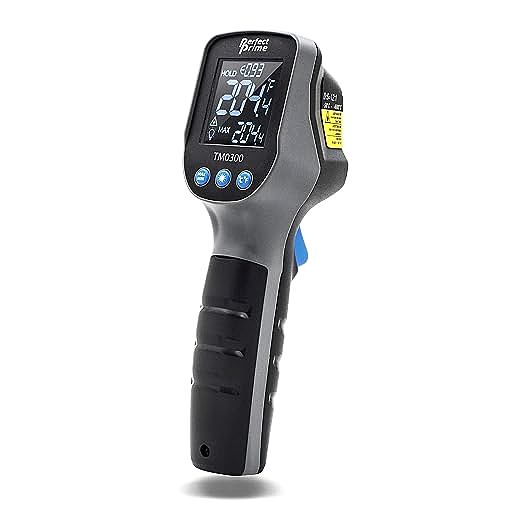
The $20 Pro-Tool: Why PerfectPrime TM0300's Dual Lasers Make It the Best Value in Thermal Diagnostics
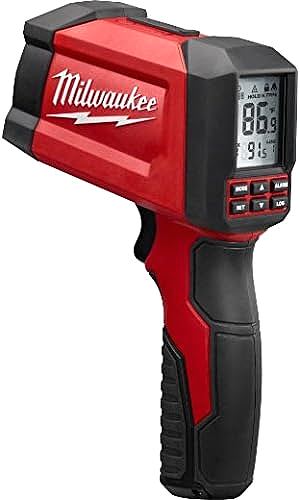
The Hybrid Advantage: Why the Milwaukee 2269-20 is the HVAC/R Tech's Force Multiplier
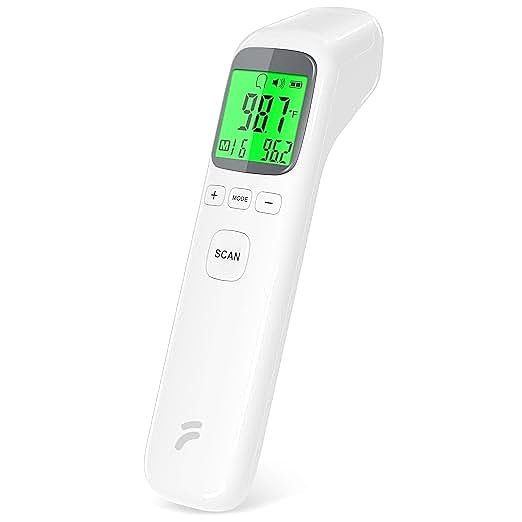
Beyond the Fever: Integrating the U-Kiss Infrared Thermometer into Your Daily Family Routine
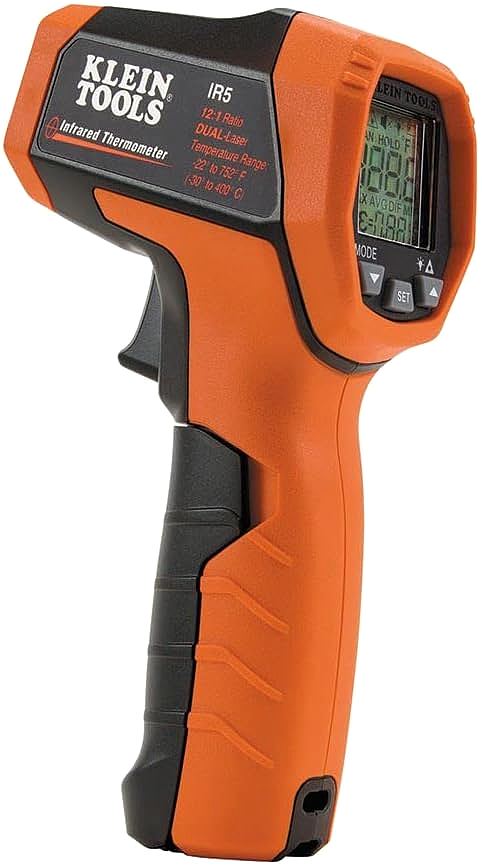
The Physics of Truth: Why Your Infrared Thermometer is Lying to You (And How the Klein Tools IR5 Fixes It)
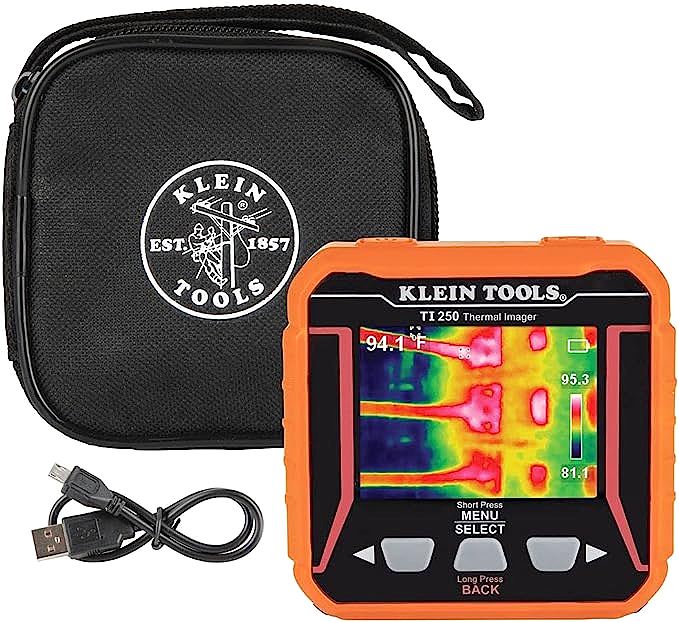
Seeing the Unseen: How the Klein TI250 Turns Physics into Practical Insight
