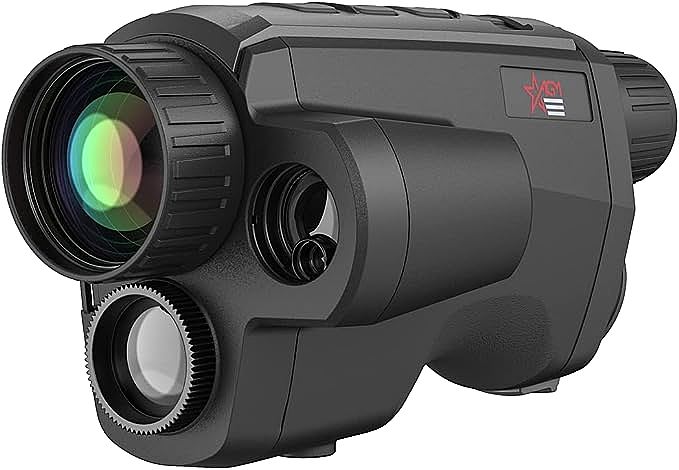
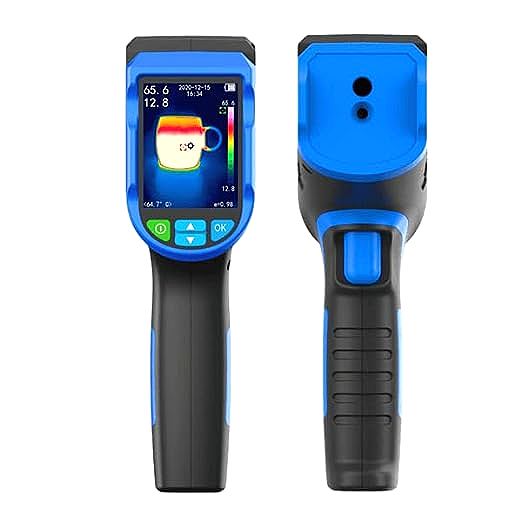
The 9Hz Scout: Why the FLIR Scion OTM130 is the Pragmatic Choice for Thermal Detection
Update on Nov. 28, 2025, 9:58 a.m.
In the world of thermal optics, “Refresh Rate” is often the most hyped spec. Manufacturers push 60Hz as the gold standard, implying that anything less is choppy and unusable. The FLIR Scion OTM130, with its 9Hz refresh rate, challenges this narrative.
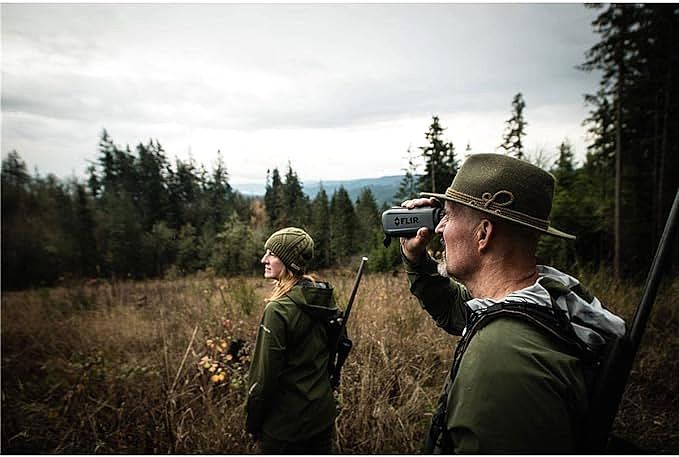
For tactical shooters tracking fast-moving targets, 60Hz is essential. But for the vast majority of users—hunters scanning a tree line, hikers spotting wildlife, or search and rescue teams combing a field—9Hz is not just sufficient; it is a smart economic choice.
This article analyzes the Scion OTM130 not as a “budget” compromise, but as a precision instrument built around the powerful Boson™ core, optimized for detection, recording, and situational awareness.
The Physics of Detection: 9Hz vs. 60Hz
Let’s clarify the difference. Refresh rate refers to how many times per second the image updates. * 60Hz: Fluid motion, ideal for aiming at a running hog from a moving vehicle. * 9Hz: Updates 9 times per second. It looks slightly “stuttery” if you pan the camera violently fast.
However, thermal sensitivity remains identical. The Scion OTM130 uses the same high-end 12 µm VOx Microbolometer as its more expensive siblings. This means it can detect the heat signature of a human or deer at 550 meters just as effectively as a 60Hz unit. If your goal is to find a heat source, 9Hz delivers 100% of the performance at a fraction of the price.
The Boson™ Core Advantage
Resolution numbers (320x256) don’t tell the whole story. The “secret sauce” of FLIR is its image processing. The Scion OTM130 utilizes FLIR’s proprietary Digital Detail Enhancement (DDE) running on the Boson core.
Unlike raw thermal sensors that can produce “blobby” images, DDE sharpens edges and enhances contrast. It allows you to distinguish the outline of a coyote from a heated rock, or seeing the branches of a tree rather than just a warm haze. This computational imaging capability is what separates professional gear from generic consumer gadgets.
Data-Driven Scouting: Geotagging & Recording
The OTM130 isn’t just a viewfinder; it’s a data logger. * Geotagged Video: Every video or photo you capture is embedded with GPS coordinates. For a hunter, this means you can review footage later and know exactly where that herd was bedding down. For search and rescue, it provides timestamped proof of an area search. * Storage: With 2GB internal memory and an expandable microSD slot (up to 128GB), you can record hours of surveillance without worrying about space.
Ruggedness for the Real World
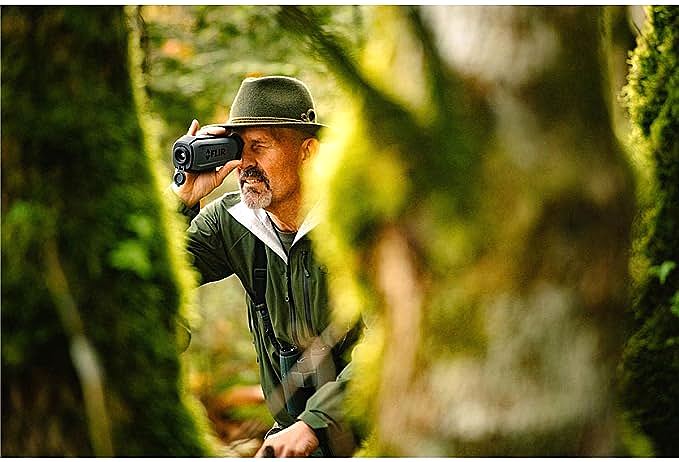
Electronics and the outdoors usually don’t mix. The Scion OTM130 is built to IP67 standards, meaning it is completely dust-tight and can survive submersion in 1 meter of water for 30 minutes. * Power: It runs on 6x CR123A batteries, providing up to 4.5 hours of runtime. While CR123As are powerful, they can be pricey. Pro tip: Utilize the USB-C port to power the unit from an external battery pack for extended stakeouts.
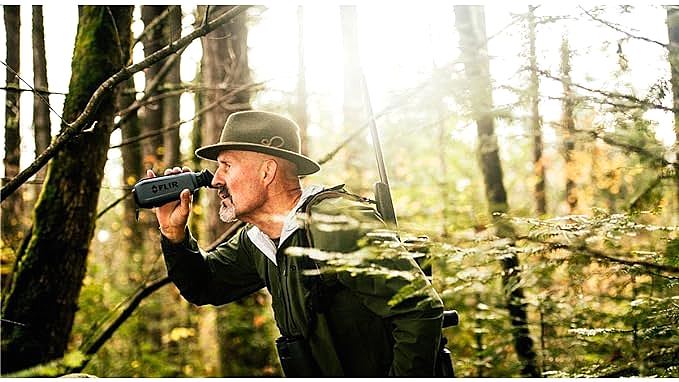
Conclusion: The Smart Scout’s Choice
The FLIR Scion OTM130 is the definition of “right-sized” technology. It strips away the costly high-speed frame rate that most users don’t actually need, while retaining the premium sensor sensitivity, rugged build, and intelligent recording features that professionals demand.
If you aren’t shooting from a helicopter, you probably don’t need 60Hz. What you need is a reliable, high-contrast thermal eye that can spot a heat signature half a kilometer away. That is exactly what the OTM130 delivers.