The $60 Resolution Anomaly: Why the Luqeeg Compact Thermal Camera Punches Above Its Weight Class
Update on Nov. 28, 2025, 10:20 a.m.
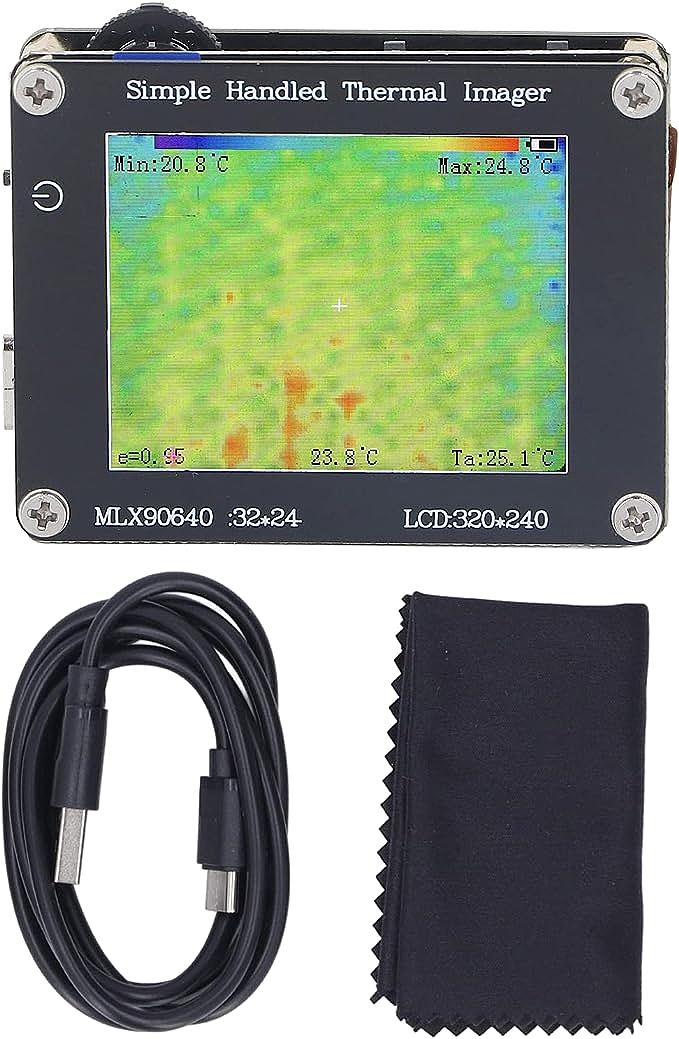
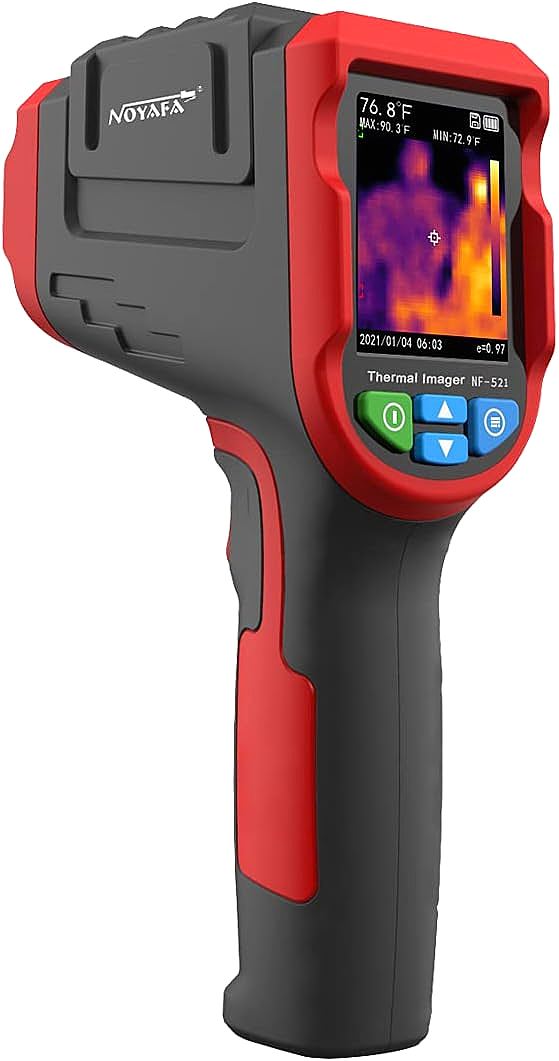
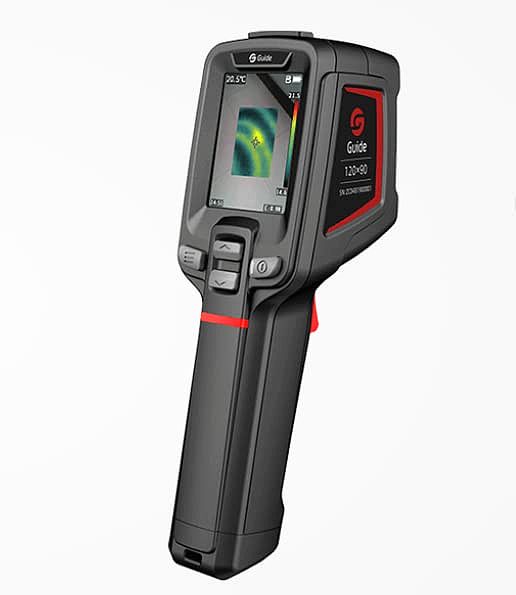
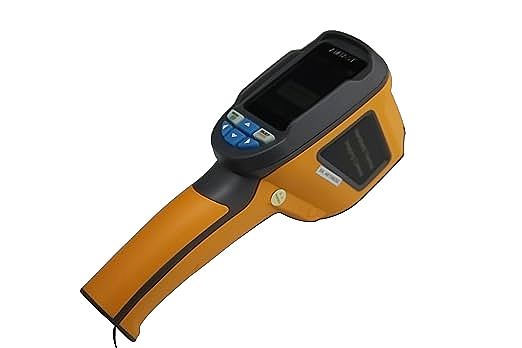
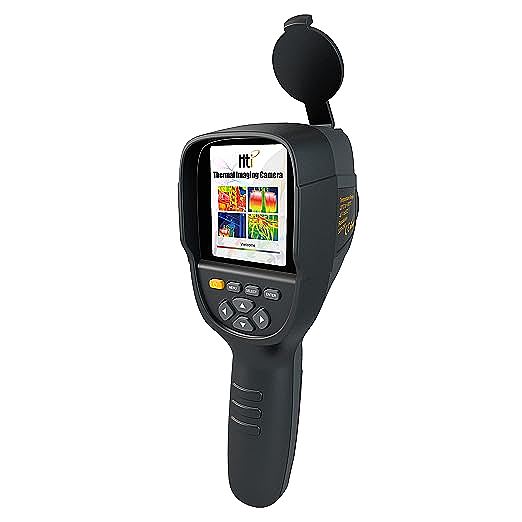
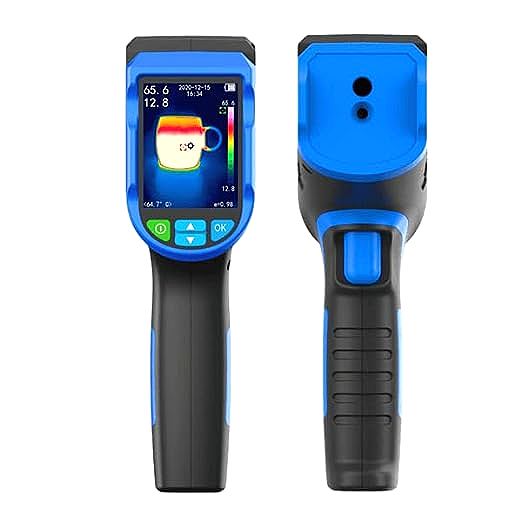
In the thermal imaging market, there is usually a strict correlation between price and resolution. Sub-$100 cameras are typically toys with 32x32 pixel sensors that show little more than vague colorful blobs. The Luqeeg Compact Thermal Imaging Camera breaks this rule.
With a claimed resolution of 240 x 320 pixels at a price point around $60, it offers a pixel density normally found in devices costing five times as much. But specs on paper don’t always translate to field performance.
This article analyzes the Luqeeg not as a competitor to FLIR, but as a disruptive tool for the DIYer. We explore how its high static resolution compensates for its low refresh rate, making it a surprisingly effective instrument for electronics repair and basic home auditing.
The Resolution Math: 76,800 Pixels vs. 1,024
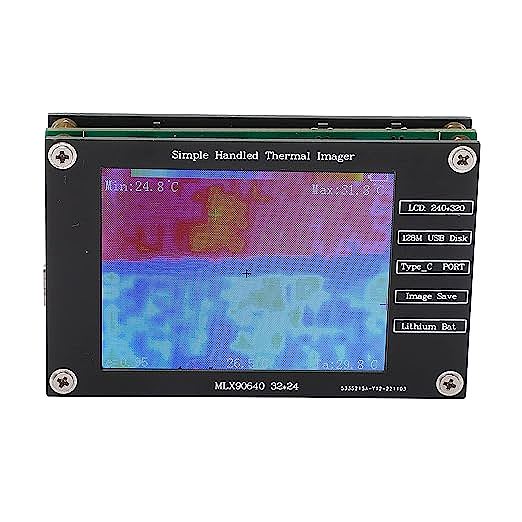
To understand the value proposition, we must look at the competition. Most entry-level thermal cameras use sensors like the AMG8833, which offers 8x8 (64 pixels) or slightly better 32x32 (1,024 pixels) resolution.
The Luqeeg boasts 240 x 320 resolution, totaling 76,800 measurement points. * The Difference: Instead of seeing a red square that might be a hot pipe, you can see the outline of the pipe itself. * The Utility: This level of detail allows you to distinguish between a hot fuse and the relay next to it, or to trace the exact path of a heating coil under the floor. It turns “heat detection” into “heat imaging.”
The 8Hz Trade-off: Understanding “Static” Use
How does Luqeeg achieve this resolution at this price? By compromising on speed. The camera operates at 8Hz, meaning the screen updates only 8 times per second.
- The Limitation: This is too slow for tracking moving targets (like animals) or scanning a room quickly. The image will lag and ghost.
- The Strength: For static inspections, 8Hz is perfectly adequate. If you are looking at a circuit board on a bench or a breaker box on a wall, the subject isn’t moving. You can hold the camera steady and get a high-res thermal map that rivals much more expensive units.
The PCB Diagnostic Tool
The killer app for the Luqeeg is electronics repair. Finding a shorted capacitor or an overheating IC on a dense Printed Circuit Board (PCB) is notoriously difficult with a multimeter.
- Thermal Fingerprinting: A shorted component generates heat instantly. With the Luqeeg, you can power on a board and immediately see the “hotspot” flare up.
- Non-Contact Safety: You can diagnose high-voltage components without risking a short from probing with metal leads.
While it lacks a macro lens, its resolution is high enough that simply holding it close (within its focus limits) provides enough detail to identify specific components.
Built for the Toolbox: Rugged & USB-C
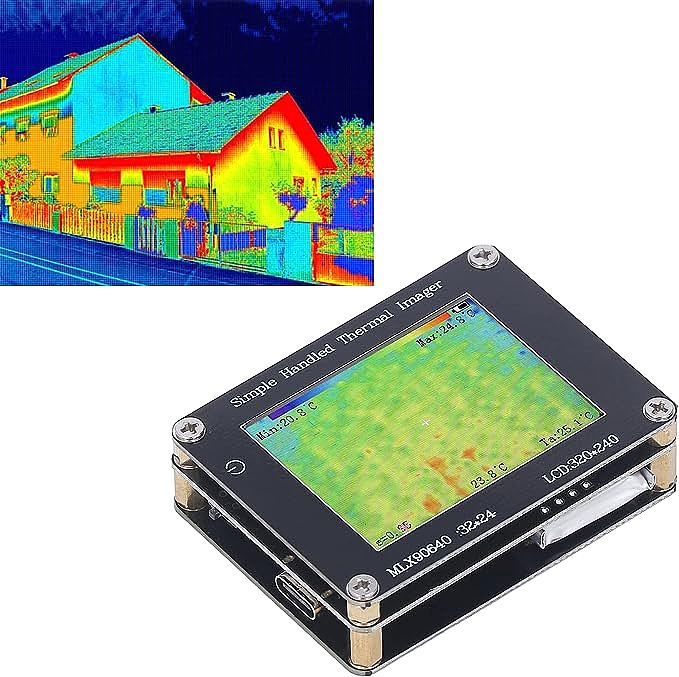
Unlike fragile smartphone dongles that can break your phone’s charging port, the Luqeeg is a standalone unit with a rugged FR4 resin shell (a material often used in PCBs themselves). * Grab-and-Go: It boots up instantly and doesn’t require an app or a phone connection. * Power: The USB-C rechargeable battery eliminates the need for expensive AAAs, and the device can transfer its 100-image internal storage to a PC for reporting.
Conclusion: The Best “Second Tool”
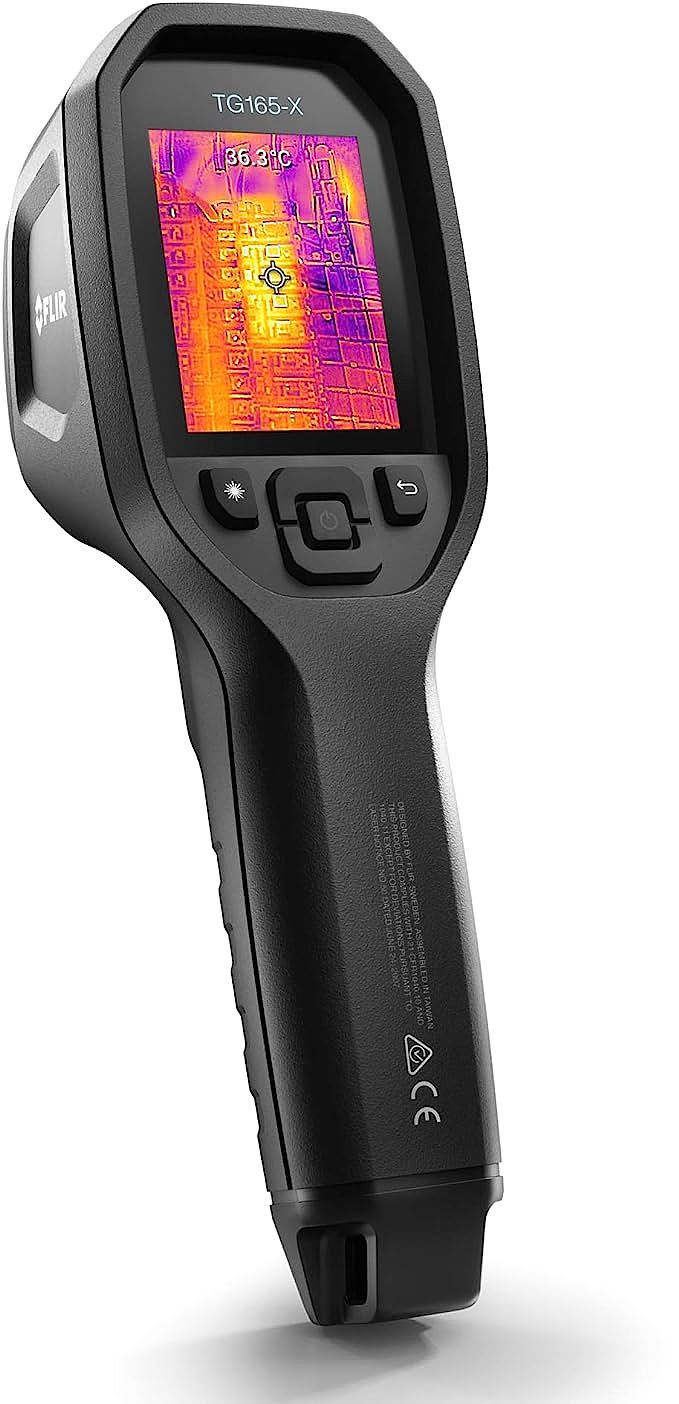
The Luqeeg Compact Thermal Camera isn’t a replacement for a $3,000 FLIR E8. It lacks thermal sensitivity (NETD) and radiometric data analysis.
However, it is an incredible “first look” tool. For the price of a decent multimeter, it gives you the superpower of thermal vision. Whether you are checking for drafts around windows, finding a radiator airlock, or debugging a Raspberry Pi project, it offers unbeatable value for static thermal inspection. It proves that sometimes, high resolution and low speed is exactly the right compromise.