The Friction of Diagnostics: Why Form Factor Defines Modern Thermal Imaging
Update on Nov. 28, 2025, 10:54 a.m.
In the realm of industrial maintenance and facilities management, there is a fundamental truth often overlooked by specification sheets: the best diagnostic tool is the one you actually have on you. For decades, thermal imaging was a specialized discipline, reserved for annual audits involving bulky, expensive cameras and certified thermographers. This centralization of data collection created a “reactive gap”—problems could fester for months between scheduled inspections.
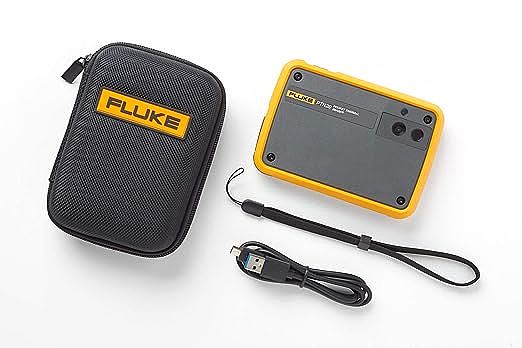
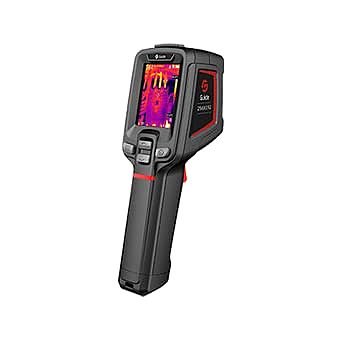
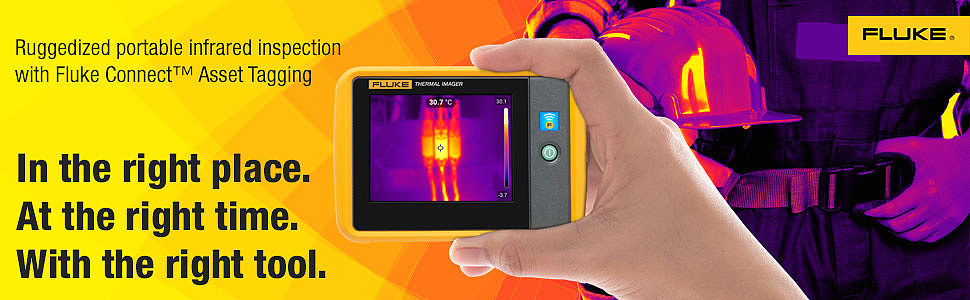
The emergence of the pocket thermal imager category, exemplified by devices like the Fluke PTi120, represents a philosophical shift in maintenance strategies. It moves infrared technology from the domain of “special occasion” audits to “everyday carry” (EDC) diagnostics, democratizing the ability to see heat signatures instantly.
The Argument for Dedicated Hardware
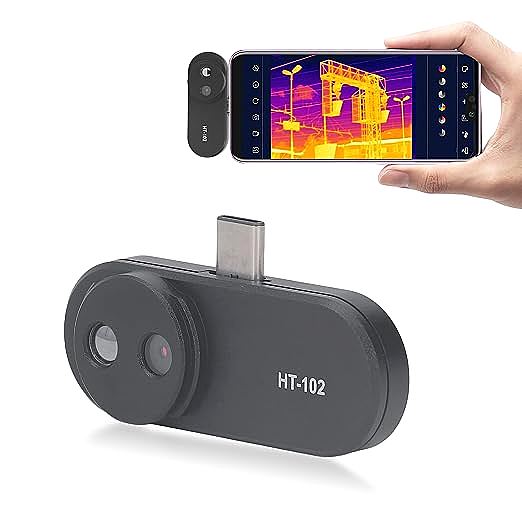
With the rise of smartphone attachments offering thermal capabilities, professionals often face a choice: a dongle for their phone or a dedicated device. While smartphone modules offer convenience, they introduce friction in industrial environments—connector fragility, battery drain on the primary communication device, and the lack of ruggedness.
Dedicated pocket imagers prioritize readiness. The PTi120, for instance, is engineered with an IP54 rating and a 1-meter drop test certification. In a mechanical room or on a ladder, the confidence that a tool can survive a fall onto concrete is functionally more important than a slightly higher pixel count. This durability ensures that the tool is used freely, rather than handled with the hesitation reserved for fragile electronics.
Decoding Resolution: The Role of IR-Fusion
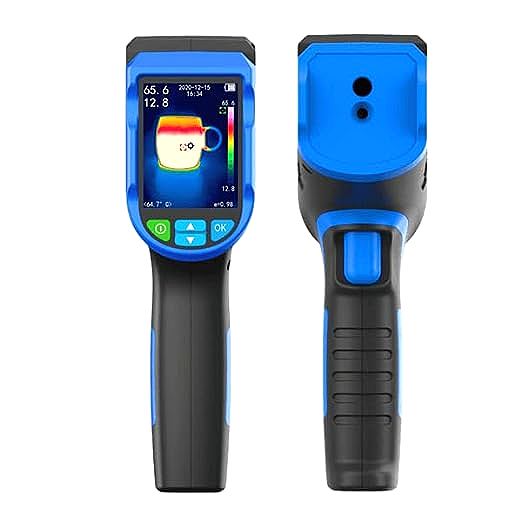
A common critique of compact thermal cameras is their sensor resolution. The PTi120 utilizes a 120 x 90 infrared resolution sensor. On paper, this falls short of the high-definition standards of larger pistol-grip cameras. However, raw resolution is often secondary to context in quick-scan scenarios.
This is where technology like IR-Fusion bridges the gap. By capturing a visible light image and blending it with the thermal map, the device outlines the edges of equipment, labels, and wires. * Without Fusion: You see a red blob floating in space. * With Fusion: You see that the red blob is specifically Breaker 4 on Panel B.
The touchscreen interface allows users to slide between full thermal and full visible light. This capability transforms a low-resolution thermal sensor into a high-context diagnostic instrument. It allows for the rapid identification of thermal anomalies—overheating motors, unbalanced loads, or loose connections—without requiring the user to be a trained image analyst.
Data Hygiene and Workflow Integration
The hidden bottleneck in thermal imaging is not capturing the image; it is organizing it. In traditional workflows, technicians might take fifty images a day, only to face the tedious task of manually renaming and sorting files back at the office. This administrative burden often discourages consistent documentation.
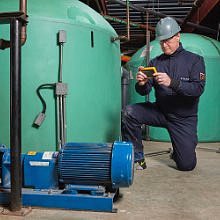
Modern devices address this through asset tagging features. The Fluke Connect system on the PTi120 allows users to scan a QR code or barcode on an asset (like a pump or switchgear) before capturing the image. The software then automatically routes that image to the specific asset’s historical record. This seemingly minor feature fundamentally changes the workflow from “taking pictures” to “building a database,” enabling trend analysis over time without the administrative overhead.
Limitations and Use Cases
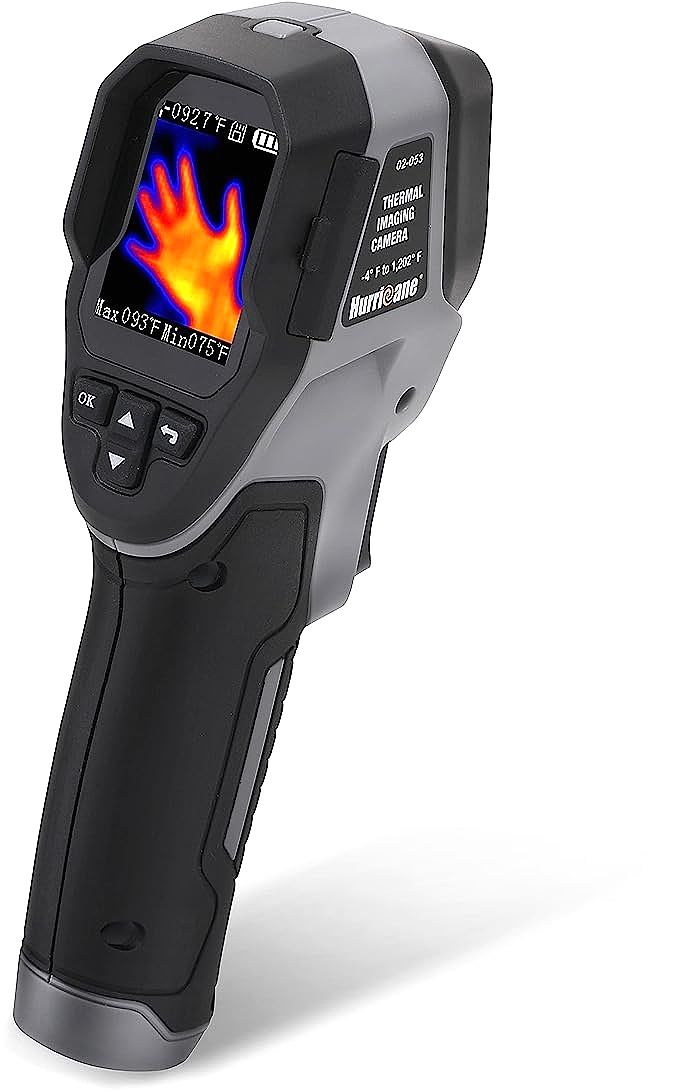
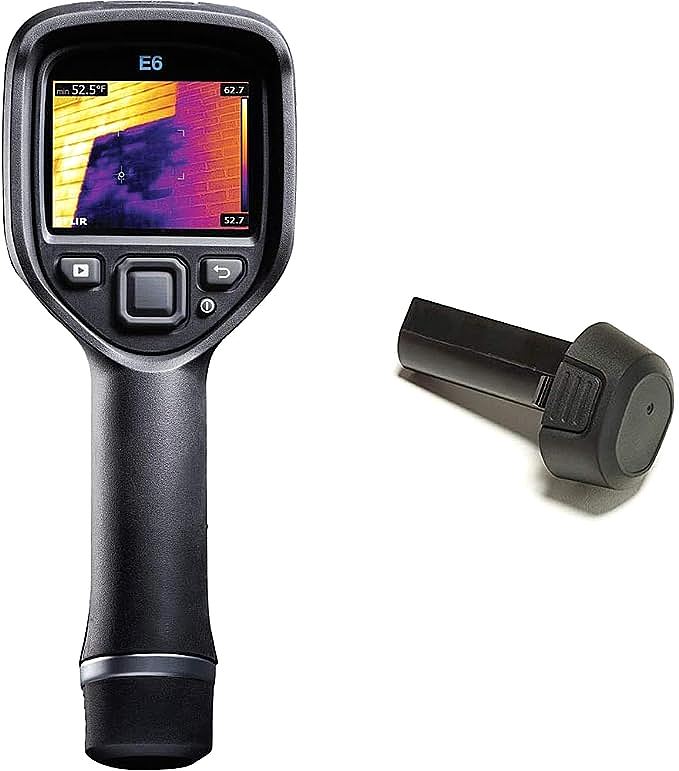
It is crucial to define where the pocket form factor ends and the professional “gun-style” camera begins. A device with a fixed focus lens and limited resolution is not designed for inspecting high-voltage transmission lines from a distance, nor is it suitable for research-grade printed circuit board analysis where microscopic thermal gradients matter.
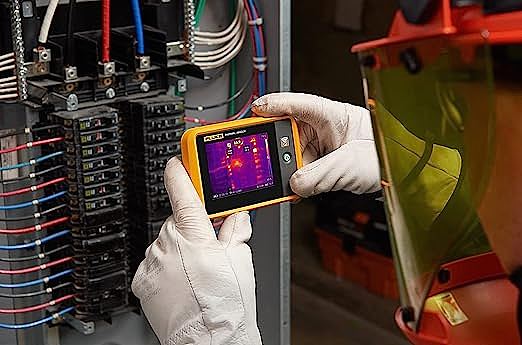
The sweet spot for the pocket class is Category I and II environments: * HVAC Technicians: Quickly checking ductwork for leaks or compressor heads for overheating. * Industrial Electricians: Scanning distribution panels for load imbalances. * Facility Managers: Checking for moisture ingress or insulation gaps in building envelopes.
In these scenarios, the temperature range of -20°C to 150°C covers the vast majority of operational anomalies. The goal is detection, not necessarily forensic quantification.
Conclusion: Availability is the Best Spec
The shift toward pocket-sized thermal imaging acknowledges that maintenance is most effective when it is continuous. By reducing the barrier to entry—size, complexity, and fragility—tools like the Fluke PTi120 encourage a culture of checking rather than guessing. While they do not replace the high-resolution cameras required for critical annual inspections, they fill the 364-day gap in between, acting as the first line of defense against equipment failure.