From "Blob" to Diagnosis: Why Image Fusion is the Key to Affordable Thermal Cameras
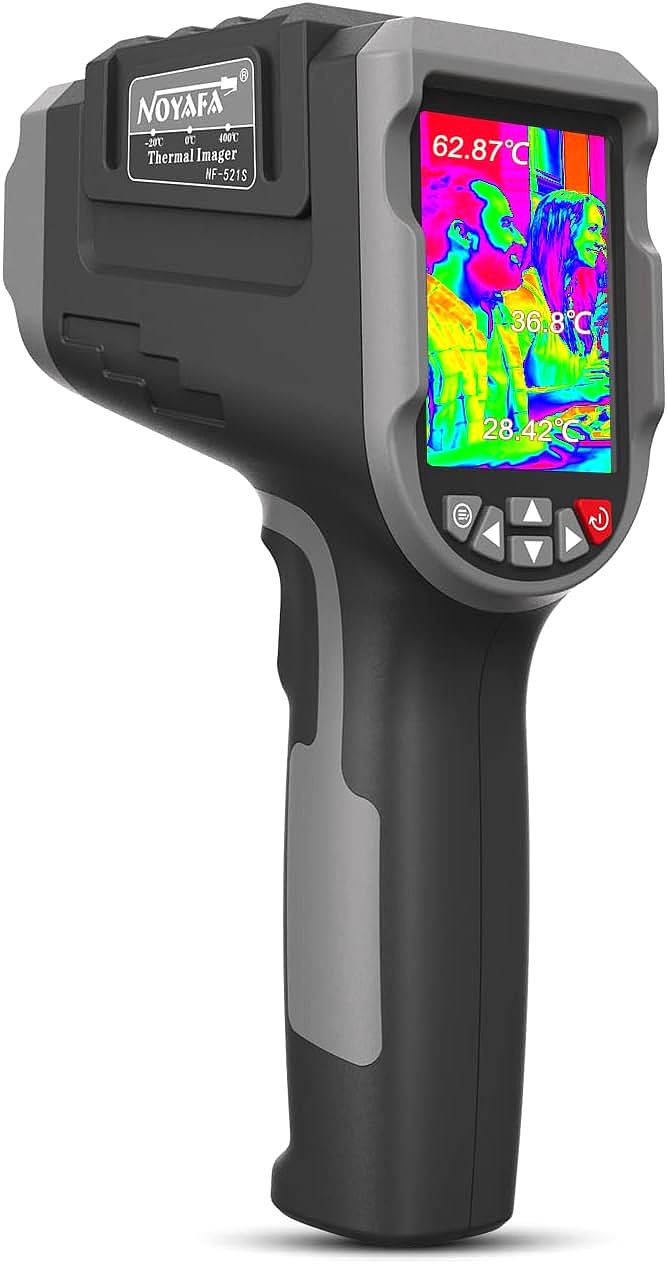
NOYAFA NF-521S Industrial Thermal Imaging Camera
The physical world communicates in a language our eyes cannot see: infrared radiation. Every object with a temperature above absolute zero broadcasts its heat signature, offering a silent, invisible layer of data. A thermal imaging camera acts as a translator, capturing this infrared energy and converting it into a "thermogram," a visual representation of heat.
This technology allows you to "see" the cold draft from a poorly sealed window, the "glow" of an overloaded circuit breaker, or the "ghost" of a water leak behind drywall.
However, a significant challenge arises with entry-level and prosumer cameras: the "context problem." A pure thermal image from an affordable camera often appears as a colorful, ambiguous "blob." That bright red spot—is it a hot water pipe, a failing electrical component, or a rodent nest? This ambiguity is the primary hurdle to turning a thermal picture into an actionable diagnosis.

The "Blob": A Deliberate Engineering Trade-Off
The "blob" is a direct result of thermal sensor resolution. A device like the NOYAFA NF-521S (ASIN B0BG5GVY9K) features an infrared resolution of 120 x 90 pixels.
To put this number in perspective: * NF-521S Thermal Sensor: 120 (width) x 90 (height) = 10,800 pixels. * A Standard Smartphone Camera: 12 Megapixels = 12,000,000 pixels.
The thermal sensor is capturing over 10,000 individual temperature measurements, but this pixel count is far too low to create a sharp, recognizable image on its own. This low resolution is not a flaw; it is a deliberate engineering trade-off to make the technology accessible at a sub-$200 price point.
The core question for any potential user is, how do you make a 10,800-pixel "blob" diagnostically useful? The answer is not in the thermal sensor itself, but in the software that processes its data.
The Solution: Image Fusion Technology
This is the critical feature that makes modern, affordable thermal imagers functional. These devices, including the NF-521S, are built with two distinct camera lenses:
- The IR Sensor (120x90): Captures the raw heat data (the "blob").
- The Visible Light Camera (High Resolution): Captures a standard, real-world photograph (the "context").
Image Fusion is the onboard software process that digitally combines these two images in real-time. This is the specific feature a user review correctly identified as the camera's key value: "The Visible Light with Infrared Mode is what makes this work great."
This software-driven solution is the "magic" that solves the "context problem." The true power of the device is not its 120x90 sensor, but its ability to blend that sensor's data with the physical world.

Decoding the 5 Fusion Modes
An analysis of the typical five image modes, like those on the NF-521S, reveals a toolkit for solving this context problem. Each mode offers a different way to blend the "blob" with reality.
-
Mode 1: Single Infrared
This mode displays only the raw 120x90 thermal data. It is the pure "blob," useful for seeing maximum thermal contrast but lacking all physical context. -
Mode 2: Single Visible Light
This mode functions as a regular camera, showing only the visible light image. It provides perfect context but contains zero thermal data. -
Mode 3: Edge Fusion Mode
This is a highly effective "magic" mode. The software identifies the hard edges from the visible light photo (the outline of a switch plate, a window frame, a motor) and draws them as a high-contrast overlay on top of the thermal image. Suddenly, the "blob" is precisely mapped to its real-world source. -
Mode 4: Overlay Mode (Superimposed Fusion)
This is often the most intuitive mode. The camera lays the thermal image on top of the visible image and adjusts its transparency. This allows the user to see the physical room, with the hot and cold spots "glowing" through the real-world objects, perfectly aligned. -
Mode 5: Picture-in-Picture Mode
This mode provides two views at once: a full-screen visible light image, with a smaller, movable box in the center displaying the pure "Single Infrared" view for that specific area.
Without these fusion modes, the 120x90 sensor would be a novelty item. With them, it becomes a powerful diagnostic tool.

Interpreting the Fused Image: Palettes and Point Tracking
Once the image is fused and context is established, the final step is data interpretation. This is handled by color palettes and temperature tracking.
The Purpose of Color Palettes
A common misconception is that palettes alter the temperature data. They do not. They are visualization filters that apply different color sets to the same raw data, making it easier to interpret. The NF-521S includes 8 palettes, such as "Iron Red," "White Heat," "Black Heat," and "Rainbow."
- Grayscale Palettes ("White Heat," "Black Heat"): These are often superior for identifying fine details, subtle temperature shifts, and structural patterns.
- High-Contrast Palettes ("Iron Red," "Lava"): These are highly intuitive for "go/no-go" diagnostics. Hot areas look "hot" (yellow/white), and cold areas look "cold" (blue/purple), making problem-spotting immediate.
- "Rainbow" Palettes: These use the widest spectrum of colors to show the greatest number of temperature gradients at once. They are excellent for complex scenes but can sometimes be visually "noisy."
From Picture to Report
Finally, the device is a measurement tool, not just a camera. It operates within a wide temperature range (e.g., -40°C to 330°C) and, more importantly, its software automatically tracks the "heat point, cold point, [and] center point" on the screen.
This feature instantly places cursors on the single hottest and coldest pixels in the frame, along with their exact temperatures. This is what elevates the tool from an imager to a diagnostic report. The user doesn't have to guess; the camera scans a circuit breaker panel and instantly identifies the single hottest lug, or scans a wall to find the exact location of the coldest air leak.
By combining auto-tracking with the context from image fusion, the output is no longer a "blob." It's a clear, actionable answer: "The edge of this specific window frame is the coldest point on the wall, measuring 10 degrees cooler than the surrounding area." That is the true value of the technology.

NOYAFA NF-521S Industrial Thermal Imaging Camera
Related Essays
XGUANMETER HT-19 Infrared Thermal Imager
Keysight U5855A TrueIR Thermal Imager
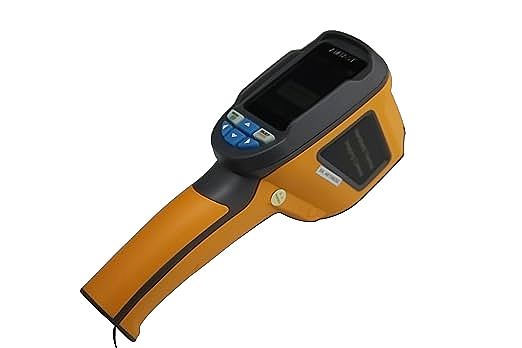
AMTAST AMF101 Digital Infrared Thermal Imaging Camera
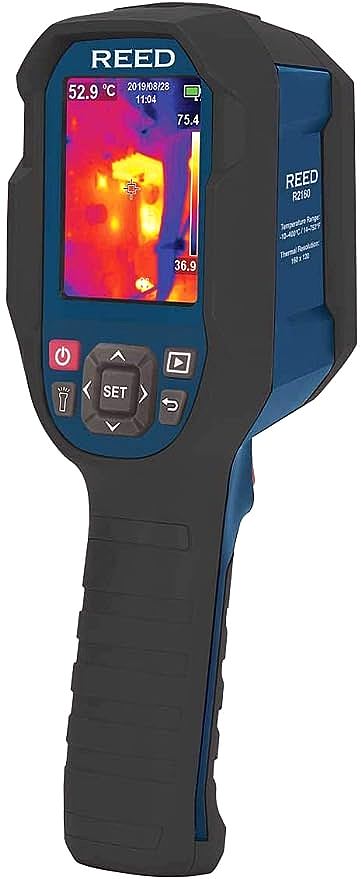
REED Instruments R2160 Thermal Imaging Camera
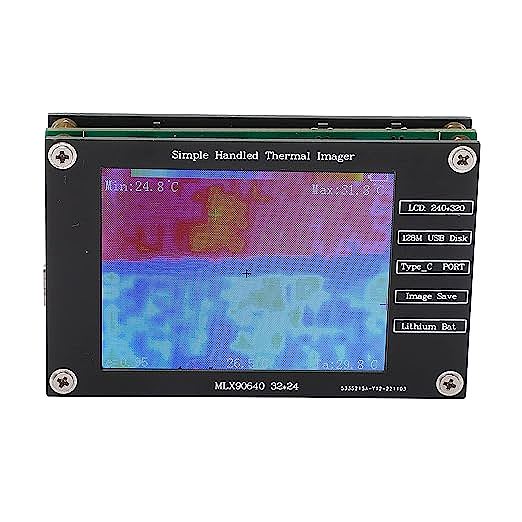
Jectse 320 X 240 IR Infrared Thermal Imaging Camera - See the Unseen
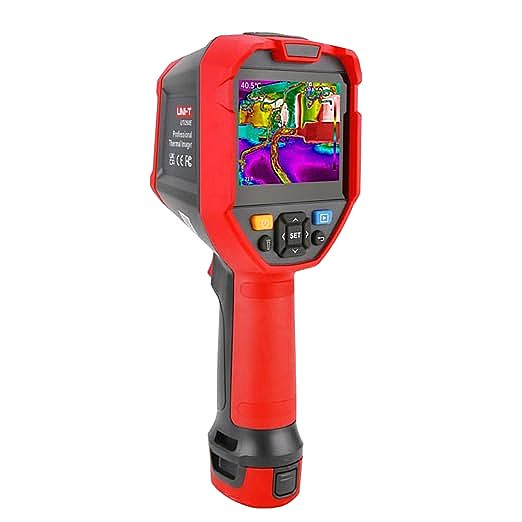
UNI-T UTi720E Enhanced Thermal Camera: A Powerful Tool for Industrial and Professional Use
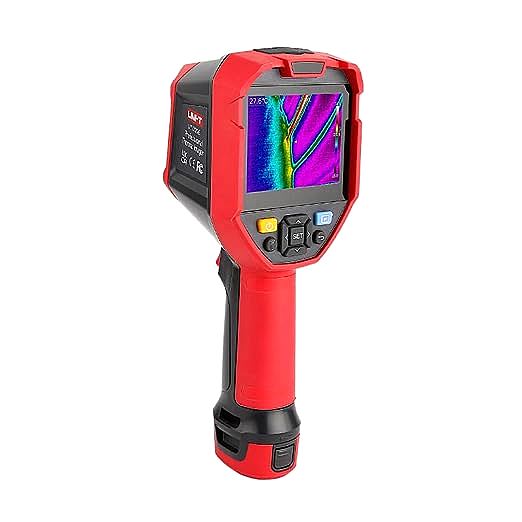
UNI-T UTI320E Industrial Infrared Thermal Imager
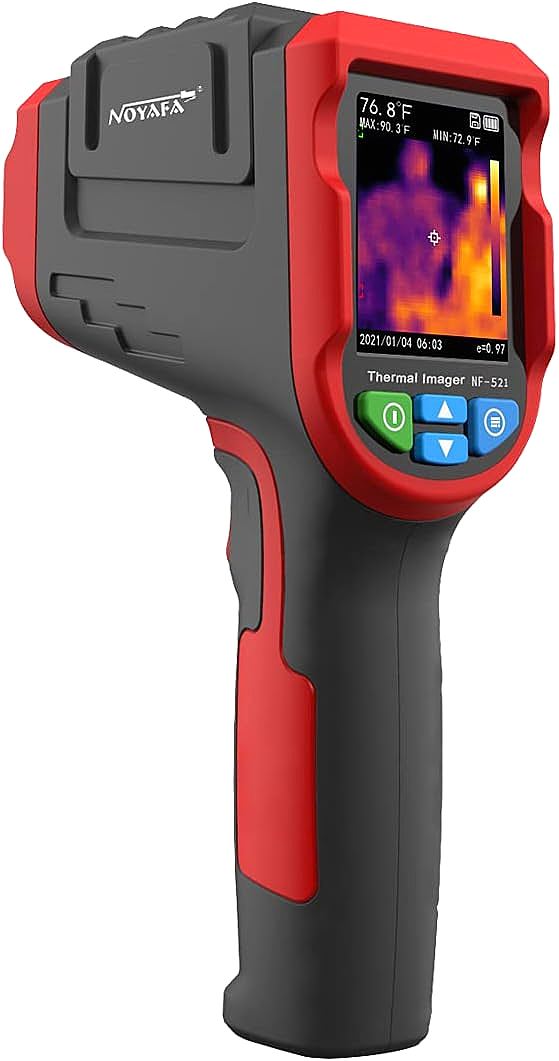
NOYAFA NF-521 Industrial Thermal Imaging Device - A Budget-Friendly Tool for Heat Detection
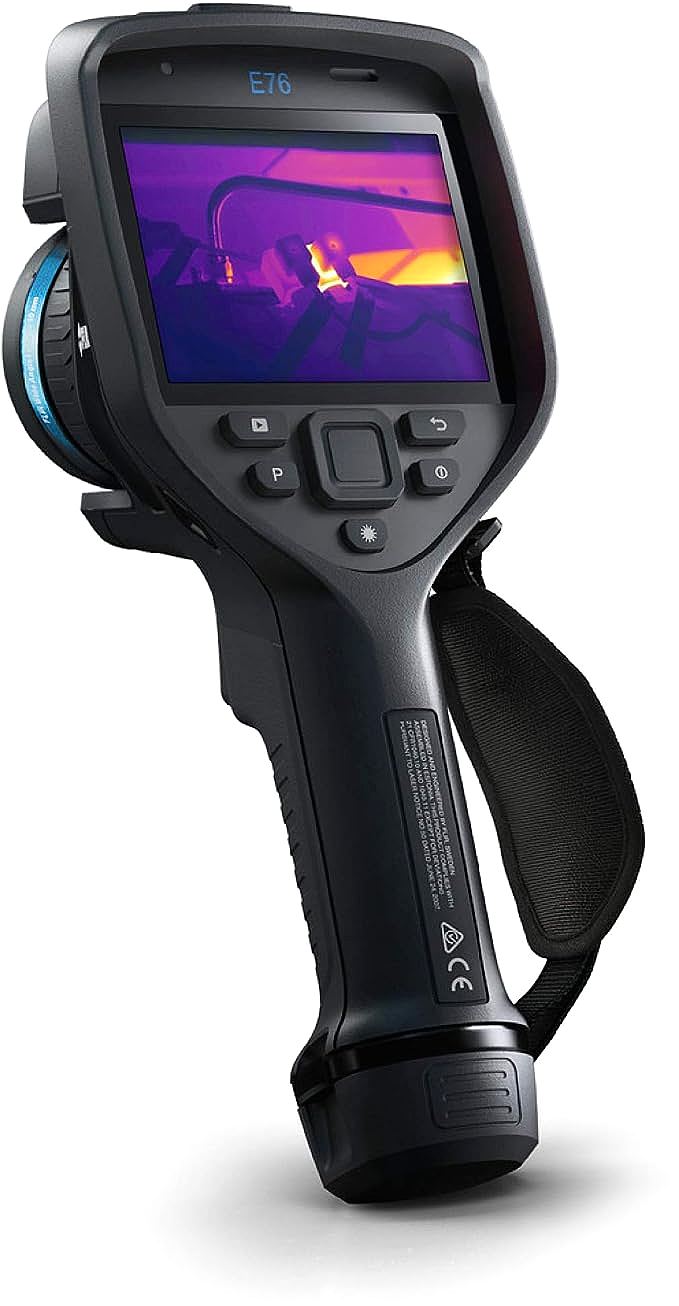
FLIR E76 Advanced Thermal Camera: Seeing the Unseen World of Heat with Scientific Precision